Archives
-
br Materials and Methods A
2022-07-12
Materials and Methods A431 (human skin SCC) and HT-297.T (human AK) cell lines were purchased from ATCC (Manassas, VA) and were maintained in DMEM supplemented with 10% fetal calf serum, 4 mM L-Gln, 1 mM sodium pyruvate, 100 U/mL penicillin, and 1 μg/mL streptomycin. Human HK1 and HK2 plasmids we
-
Based on pharmacophore modeling a good HDAC inhibitor
2022-07-12
Based on pharmacophore modeling, a good HDAC inhibitor has at least three sides/regions: the attachment side of the Zn2+ cofactor/HDAC active site (Zn2+ binding group/ZBG), hydrophobic cap (CAP) and linker containing connecting unit (CU) with electronegative groups (Mohan et al., 2011, Rossi et al.,
-
br Financial support This study was supported
2022-07-12
Financial support This study was supported by Grant PH-102-PP-11, PH-103-PP-11 from the National Health Research Institutes, Taiwan. Conflict of interest Please refer to the accompanying ICMJE disclosure forms for further details. Authors’ contributions Acknowledgements Introduction
-
R R MNF is a
2022-07-12
(R,R′)-MNF is a unique bitopic agent with selective and potent β2AR agonistic and GPR55 inhibitory properties [10], [11] that are independently associated with the drug's anti-mitotic and anti-tumorigenic actions. In 1321N1, U118MG, and melanoma cell lines, (R,R′)-MNF activation of the β2AR decrease
-
In summary activated A AR exacerbated
2022-07-11
In summary, activated A2AR exacerbated the reverse transport function of endothelial EAATs through a direct or indirect pathway depending on PKA and glutamate levels in response to OGD in vitro, but A2AR inhibition quickly restored the normal transport function. Moreover, the key mechanisms by whic
-
Ionotropic glutamate receptors GluRs are ligand
2022-07-11
Ionotropic glutamate receptors (GluRs) are ligand-gated ion channels that mediate information processing at the majority of excitatory synapses in the brain and participate in such physiological processes as learning and memory, development and maintenance of cellular connections, and pain perceptio
-
Nilotinib monohydrochloride monohydrate sale The classical g
2022-07-11
The classical genomic effects of GR come about through ligand-bound GR homodimerizing in the nucleus and via direct binding to GREs on the target genes, bringing about transcriptional activation or repression. Examples of target genes up-regulated by activated GR include genes encoding β2-adrenergic
-
rki The regulation of casein expression
2022-07-11
The regulation of casein expression during lactation is a complex process involving a coordinated response at several levels. A variety of hormones are known to play roles in lactogenesis, such as prolactin (PRL), insulin, and hydrocortisone, and there is now increasing evidence that growth factors,
-
ITSA1 The molecular nature of these putative Ca channels
2022-07-11
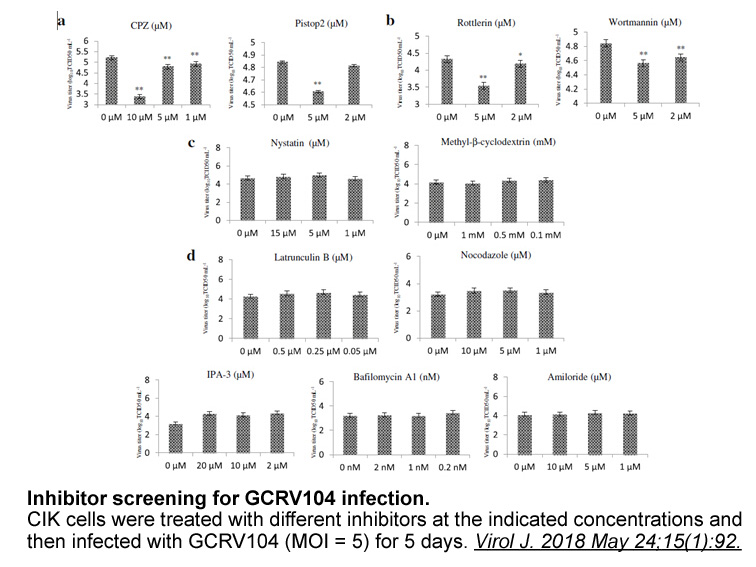
The molecular nature of these putative Ca2+ ITSA1 is at present unknown. Apart from the NSVDC channel, which is permeable to Ca2+ [27], [15] functional Ca2+ channels have been identified in patch clamp experiments [28]. These channels, which were characterized as B-channels, seem to have very long
-
Lapatinib Ditosylate The second experiment investigated the
2022-07-11
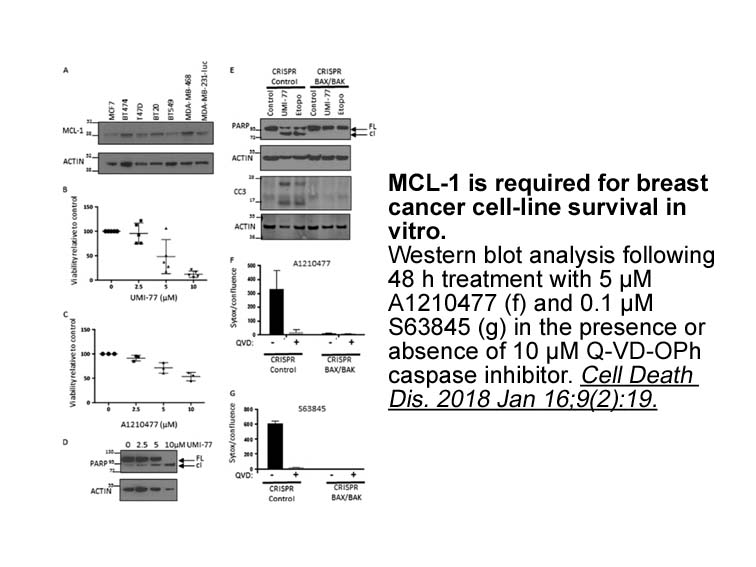
The second experiment investigated the possible neuronal mechanism underlying the effect of acupuncture. The baseline level of methamphetamine consumption in each group was similar, as in the first experiment (Fig. 2A). Acupuncture at HT7 also significantly inhibited the methamphetamine self-adminis
-
The ability of GPX and other selenoproteins to be selectivel
2022-07-11

The ability of GPX4 and other selenoproteins to be selectively induced by ferroptotic stimuli suggests that the stress-induced increase in the transcription of a number of putative, “antioxidant” selenoproteins is an adaptive homeostatic, but insufficient response to prevent cell death in the face o
-
The suboptimal trypsin selectivity profile of DPC p
2022-07-11
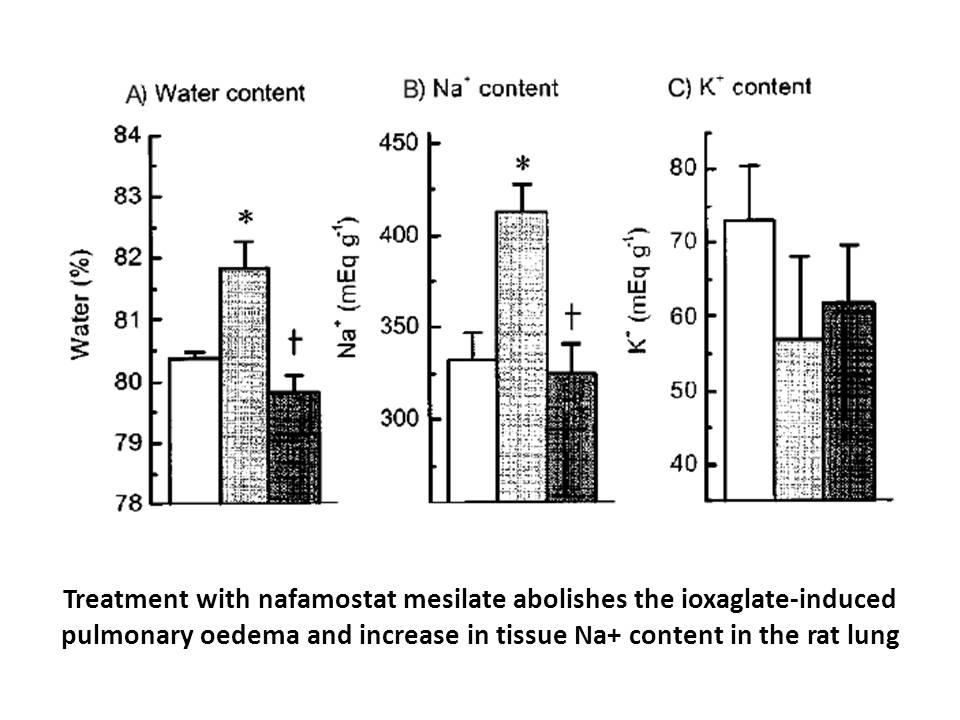
The suboptimal trypsin selectivity profile of DPC423 prompted us to investigate additional P moieties for potency and selectivity. Glycinamide P () showed low nanomolar binding affinity against fXa which suggested that this P moiety sits deeper into the S pocket of fXa. To further elaborate on this
-
br Conclusions Our in vitro
2022-07-11

Conclusions Our in vitro and in vivo data collectively demonstrate that zifaxaban is effective in preventing thrombus formation via direct and specific inhibition of FXa in a dose-dependent manner. Furthermore, zifaxaban has a potency that is similar to that of rivaroxaban and shows a similar or
-
To enhance the impact of GD as
2022-07-08
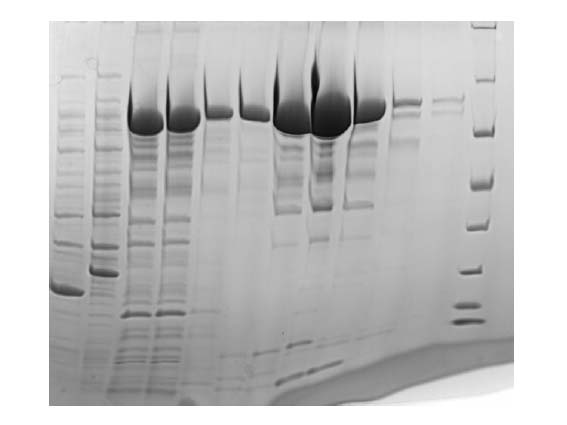
To enhance the impact of GD2 as an immune target in this cancer, we investigated a novel strategy to upregulate expression on the cell surface of EwS cells by an epigenetic agent, based on the following rationale. Biosynthesis of GD2 and other gangliosides during organ development is driven by stage
-
On the other hand after injury of the adult heart
2022-07-08
On the other hand, after injury of the adult heart, inflammatory monocytes are abundantly recruited to damaged myocardium and they differentiate into monocyte-derived macrophages (MDMs). They have strong proinflammatory phenotype and very limited capacity to promote angiogenesis and cardiomyocyte pr
3602 records 133/241 page Previous Next First page 上5页 131132133134135 下5页 Last page