Archives
- 2026-08
- 2026-07
- 2026-06
- 2026-05
- 2026-04
- 2026-03
- 2026-02
- 2026-01
- 2025-12
- 2025-11
- 2025-10
- 2023-07
- 2023-06
- 2023-05
- 2023-04
- 2023-03
- 2023-02
- 2023-01
- 2022-12
- 2022-11
- 2022-10
- 2022-09
- 2022-08
- 2022-07
- 2022-06
- 2022-05
- 2022-04
- 2022-03
- 2022-02
- 2022-01
- 2021-12
- 2021-11
- 2021-10
- 2021-09
- 2021-08
- 2021-07
- 2021-06
- 2021-05
- 2021-04
- 2021-03
- 2021-02
- 2021-01
- 2020-12
- 2020-11
- 2020-10
- 2020-09
- 2020-08
- 2020-07
- 2020-06
- 2020-05
- 2020-04
- 2020-03
- 2020-02
- 2020-01
- 2019-12
- 2019-11
- 2019-10
- 2019-09
- 2019-08
- 2019-07
- 2019-06
- 2019-05
- 2019-04
- 2018-07
-
The Lysine mutant is located in the
2020-04-17
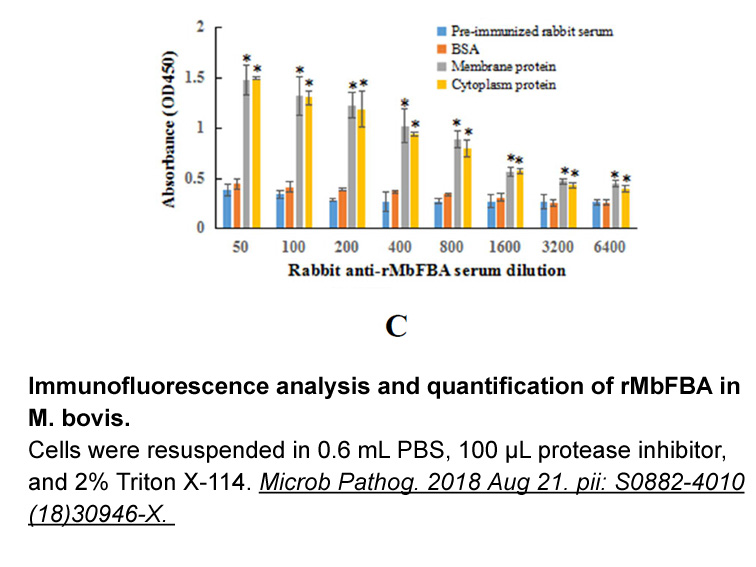
The Lysine429 mutant is located in the tail region of 5-HT2A, which is predicted to be unstructured. This region has been shown to interact, in vitro, with PSD95 and leads to differences in signaling (Xia et al., 2003). The ASK motif, a component of the tail region, is also important for regulation
-
Previous in vitro studies have demonstrated that DNA
2020-04-17

Previous in vitro studies have demonstrated that DNA-PK-deficient cell line (MO59J) is approximately 30-fold more sensitive to radiation than DNA-PK-proficient cell line (MO59K) [31]. Moreover, specific DNA-PK inhibitors SU11752 and wortmannin have been shown to sensitize GBM Madecassic acid recepto
-
A set of small molecule
2020-04-17
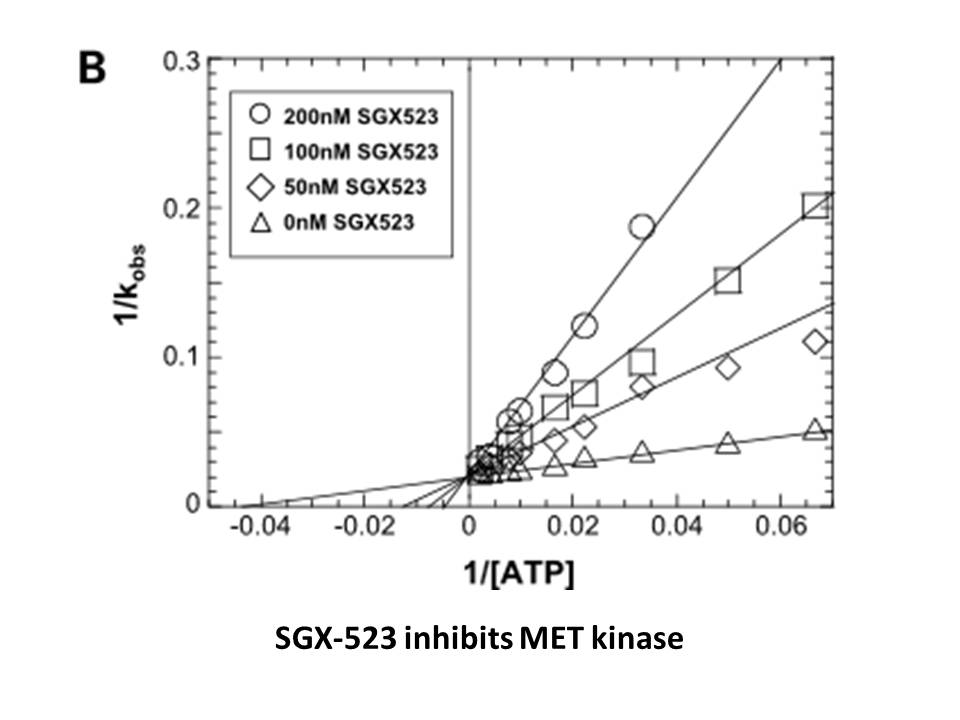
A set of small molecule LigI inhibitors were identified through an in silico structure-based screen, using the atomic resolution structure of LigI complexed with nicked DNA [[18], [26]]. This screen yielded inhibitors that were selective for LigI (L82), inhibited both LigI and LigIII (L67) and inhib
-
AAG has a broad substrate specificity
2020-04-17

AAG has a broad substrate specificity and besides 3-methyladenine can excise other altered purine residues, such as the minor lesions hypoxanthine and 1, N6-ethenoadenine from DNA. AAG initially activates these neutral base lesions by protonation of the base to allow for general polymyxin sulfate sy
-
Introduction BRs are well known class of steroid phytohormon
2020-04-17
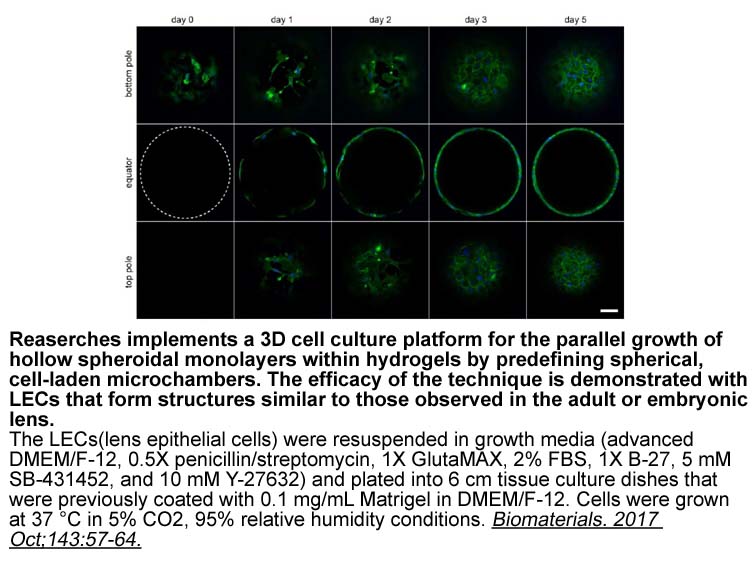
Introduction BRs are well known class of steroid phytohormones involved in the regulation of key processes of plant growth and development [1], [2], [3], [4], [5]. A lot of attention is driven to BRs in the last decade because of their undeniable functions in promoting IL-10, human recombinant pro
-
The current study provides evidence for a previously unknown
2020-04-17
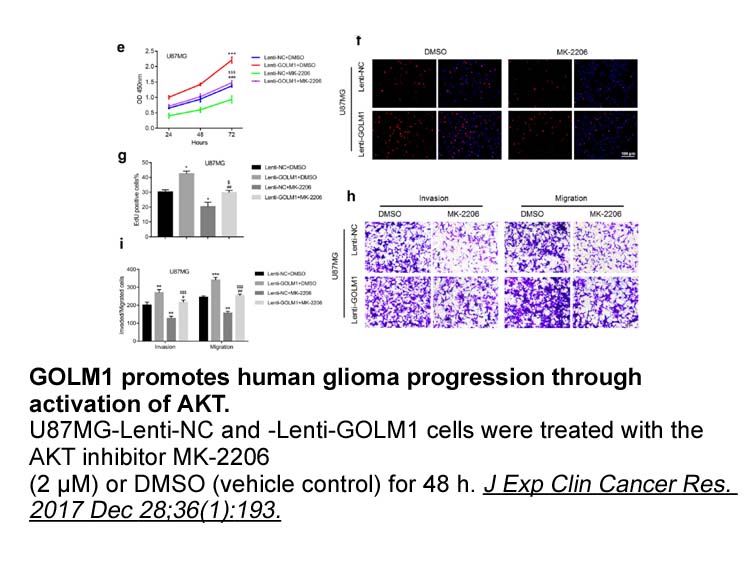
The current study provides evidence for a previously unknown role for DHODH as a growth/survival factor in KRAS mutant tumors. While many aspects of the link between DHODH inhibition and survival of KRAS mutant cells remain to be established, de novo pyrimidine biosynthesis appears to be a crucial p
-
br Transparency document br Acknowledgements This work
2020-04-17

Transparency document Acknowledgements This work was supported by research grant G092715N of the Research Foundation Flanders (FWO). The authors are indebted to Drs. V. Baekelandt and E. Lobbestael (Research Group for Neurobiology and Gene Therapy, KU Leuven) for stimulating discussions and he
-
On the basis of the findings described above a
2020-04-17
On the basis of the findings described above, a series of heterotricyclic analogs were designed and synthesized. The human CRF1 receptor binding and antagonist activity data for newly designed heterotricyclic core antagonists 28–33 are described in Table 3. Most of the tricyclic core analogs listed
-
br Method Detailed study protocol
2020-04-17
Method Detailed study protocol was reported previously. The ULTIMATE- HFrEF trial was approved by the Institutional Review Board of our hospital, and the study drug, udenafil, was approved as Investigational New Drug for treatment in patients with chronic HFrEF by Ministry of Food and Drug Safety
-
br Experimental Procedures br Author Contributions
2020-04-17
Experimental Procedures Author Contributions Acknowledgments We thank the Mouse Modeling, Integrated Microscopy, and FACS Facilities of IGB-CNR, Naples. Dr. Laura Pisapia is acknowledged for flow cytometry analyses. We are grateful to Prof. Chris Ponting and George A. Calin for insightful s
-
River sand was graded in
2020-04-17
River sand was graded in accordance with ASTM C778 [47] (see Table 2). The graded sand had a water Asiatic acid australia of 1.00%, fineness modulus of 3.49 and specific gravity of 2350kg/m3. A polycarboxylate based superplasticizer called ZP with pH of 7±1 and specific gravity of 1.1±0.02 was als
-
br Conflict of interest br Supplementary methods and materia
2020-04-17
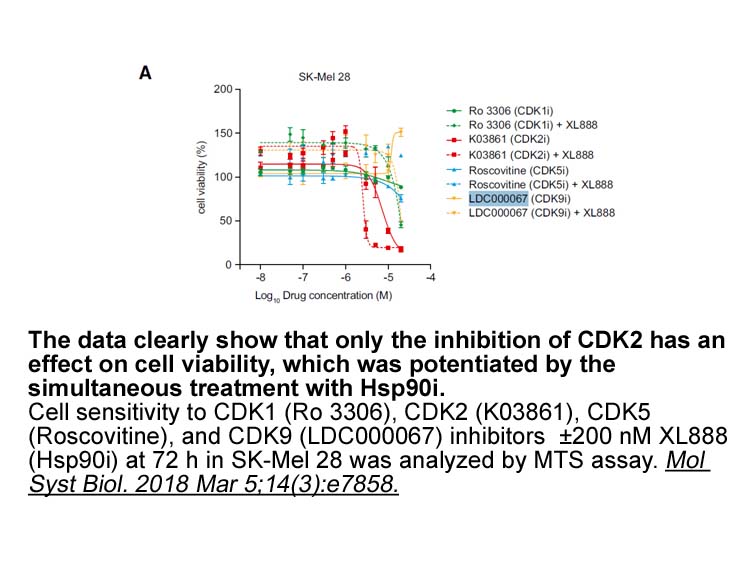
Conflict of interest Supplementary methods and materials Acknowledgments This work was supported by an Early Career Researcher grant awarded by the Institute of Health and Biomedical Innovation to IMW and Queensland University of Technology, and grants awarded to SS by the Prostate Cancer F
-
The role of DDR in glomerular injury has
2020-04-16
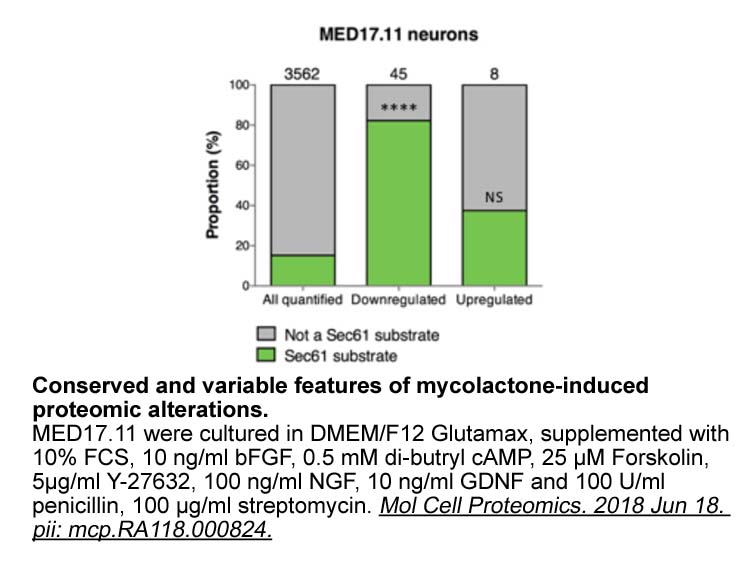
The role of DDR1 in glomerular injury has been then further studied by the Chatziantoniou group in experimentally-induced crescentic glomerulonephritis, by injection of alloimmune sheep nephrotoxic serum (NTS) [54]. Glomerulonephritis produced a 17-fold increase of DDR1 expression, predominantly in
-
Previously published results on this topic
2020-04-16
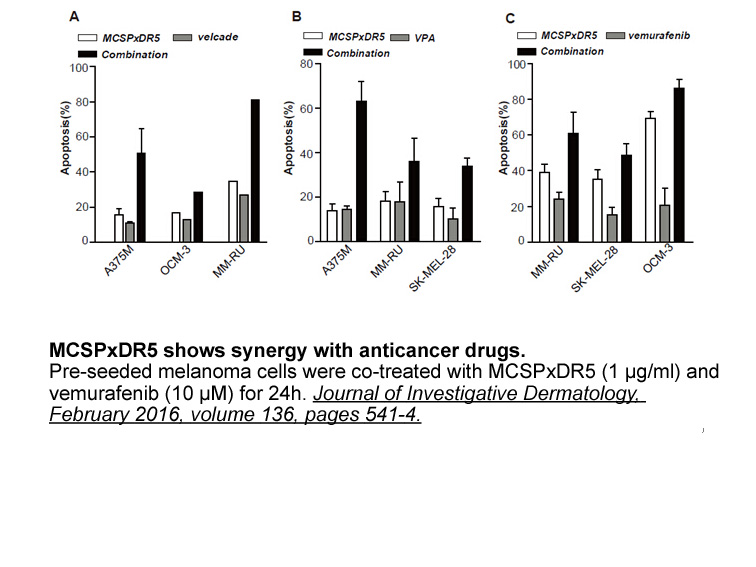
Previously published results on this topic are inconsistent. Stressin1-A, a novel CRF1 receptor agonist, increased anxiety-like behavior in the social interaction and shock-probe tests [51]. Pharmacological blockade of CRF1 (NBI-30775) reversed both CRF-induced increases in startle and CRF-induced d
-
br Author contributions br Conflicts of interest br Introduc
2020-04-16
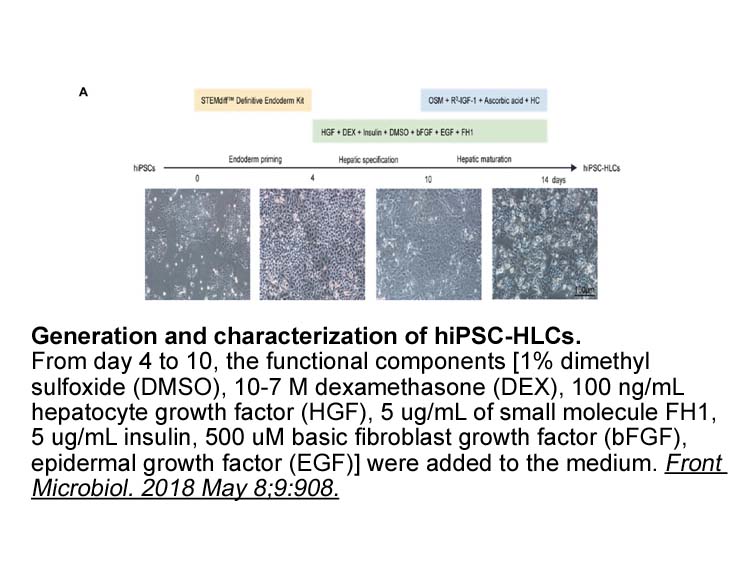
Author contributions Conflicts of interest Introduction Current the 5-year survival rates for lung and pancreatic cancers are 18% and 8%, respectively. These low survival rates are partially because of the late diagnosis of one-half of cases, in which 5-year survival decrease to 4% and 3%,
11409 records 567/761 page Previous Next First page 上5页 566567568569570 下5页 Last page